

Ireland has a mystique charm that draws travelers in different ways based on the season they choose to explore its coasts and countryside. Each time of year offers its own vibe, changing the way you experience this captivating island, whether it’s your first time or you’re returning for more. While iconic spots like the Cliffs of Moher, Giant’s Causeway, or Dublin’s Trinity College are always worth seeing, other experiences and sights shine brightest in specific months. With that in mind, here’s a breakdown of what to see and do on your Irish adventure, depending on when you visit the Emerald Isle.
Autumn
Autumn is arguably the best time of the year to visit Ireland, as this season makes the country have a special charm, especially for those who want to have a comfortable yet still adventurous trip. Exploring Killarney National Park and going to the countryside is a must if you want to connect with Ireland’s landscapes, as the charming towns and villages are more beautiful than ever once the leaves start turning brown. Those in the mood for something spookier can go to the Púca Festival, an event that celebrates the origins of Halloween, which has deep roots in ancient Celtic traditions, filled with performances, parades, and eerie experiences. Lastly, there’s no better way to embrace the autumn season in Ireland than by getting an authentic Aran sweater. Such a garment will keep you warm during your trip and tie you to the country’s heritage, with its intricate designs that have been loved for generations. Hop on https://www.gaelsong.com/prod_detail_list/mens-apparel to buy a practical yet stylish garment before your trip so that you can experience autumn in Ireland like a local.
Winter
Winter in Ireland might not be the most obvious choice for most people, but this is exactly why those who visit during this season are rewarded with something special. Ireland rarely sees heavy snowfall, which means travel remains accessible even during the colder months and it is the perfect time to experience the country without the bustling crowds. Winter there offers some of the most exciting events of the year such as the New Year’s Festival in Dublin, a lively event with street performances and light shows that makes the historic streets of the capital city come alive to mark the turn of the year. For a more peaceful getaway, you will find peace in solitude in places like Connemara or Donegal, where you can walk along the rugged coastlines.
Spring
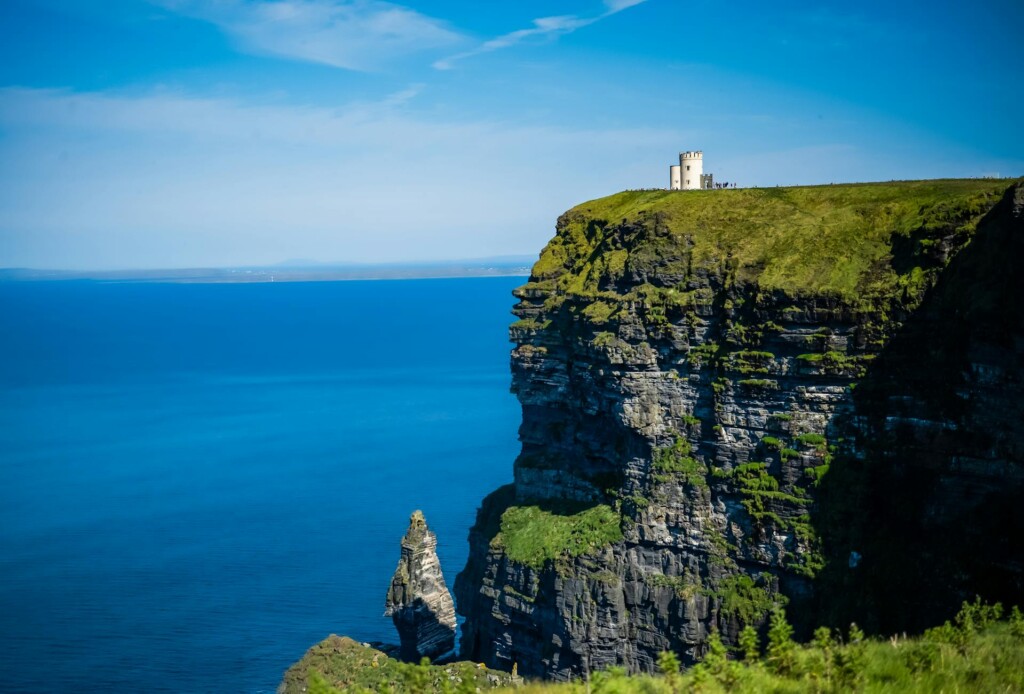
As spring arrives, Ireland’s landscapes start to bloom, and there’s a renewed sense of energy in the air. Spring is a fantastic season for travelers who enjoy outdoor activities, and it’s also a time when Ireland’s festivals begin to ramp up again. One of the highlights of the season is St. Patrick’s Festival in March, where cities across the country celebrate Ireland’s patron saint with parades, concerts, and cultural events. Dublin’s St. Patrick’s Day parade is a spectacle like no other, with vibrant floats and performances celebrating Irish culture and heritage. For nature lovers, spring is the perfect time to explore Ireland’s many national parks such as The Burren, the place that has over 70% of Ireland’s native flowers that all begin to bloom between the rocks.
Summer
Summer is undoubtedly a busy season in Ireland, and for a good reason. During this time of the year, the country is bathed in long daylight hours and a festive atmosphere, hosting so many events that it is impossible to not find something to your liking. If you love coastal adventures, you have countless opportunities for hiking, surfing, or simply enjoying a quiet day on the beach. The Wild Atlantic Way, stretching over 1600 miles along the west coast and passing through nine counties and three provinces, is one of the most spectacular road trips you can take in summer, offering no shortage of breathtaking views. Bookworms, on the other hand, will be ecstatic to witness the celebration of Bloomsday on June 16th, where locals and other enthusiasts dress in Edwardian attire to retrace the steps of Leopold Bloom, the protagonist of “Ulysses” by James Joyce.



Comments
0 comments