

Trekking in Nepal has always been about more than reaching a destination; it’s about the entire journey. The moment you step on a dusty trail, the air feels thinner, the landscape changes, and a new sense of selflessness emerges.
The Himalayas aren’t just a place to visit or conquer peaks; they’re a place to rediscover yourself. High-altitude trekking teaches lessons no classroom ever could, lessons about patience, presence, and perspective.
When the Mountains Speak, Slow Down and Listen
The first thing you need to remember while trekking at high altitude is to go slow and steady.
In the Himalayas of Nepal, whether it’s the Everest Base Camp route, the serene Manaslu Circuit Trek, or the remote valleys of the Upper Dolpo route, the rhythm of life changes.
You wake with a warm, golden sunrise, breathe fresh air, and learn to love silence. Altitude, in a way, becomes your greatest teacher. It humbles you. It reminds you that your body, not your schedule, sets the pace.
At high altitude, as the oxygen level begins to drop, your lungs start to fight for breath; every step is hard earned. You start to notice the crunch of gravel underfoot. The fluttering of prayer flags and the aroma of yak butter tea from a teahouse are the moments where trekking feels like meditation.
The Shift from Achievement to Awareness
For many trekkers, the goal is reaching the top, Everest Base Camp, Annapurna Base Camp Trek, or Langtang Valley. But somewhere along the route, the obsession with “getting there” fades, replaced by gratitude for simply being here.
This is where travel companies like Himalayan Masters have made a difference. Their approach to trekking isn’t just about guiding travelers to the summit; it’s about helping them connect with the essence of the Himalayas.
With experienced local guides, well-planned itineraries, allowing you to acclimatize properly, they allow trekkers to slow down, immerse in landscapes, and experience, not just through their eyes but through their hearts.
Whether it’s pausing to share tea with a Sherpa family in Namche Bazaar or meditating near a monastery in Tengboche, mindfulness naturally seeps into the journey. These moments are what let you realize that trekking doesn’t always mean adventure; sometimes, it’s just awareness, the kind that reshapes how you see the world.
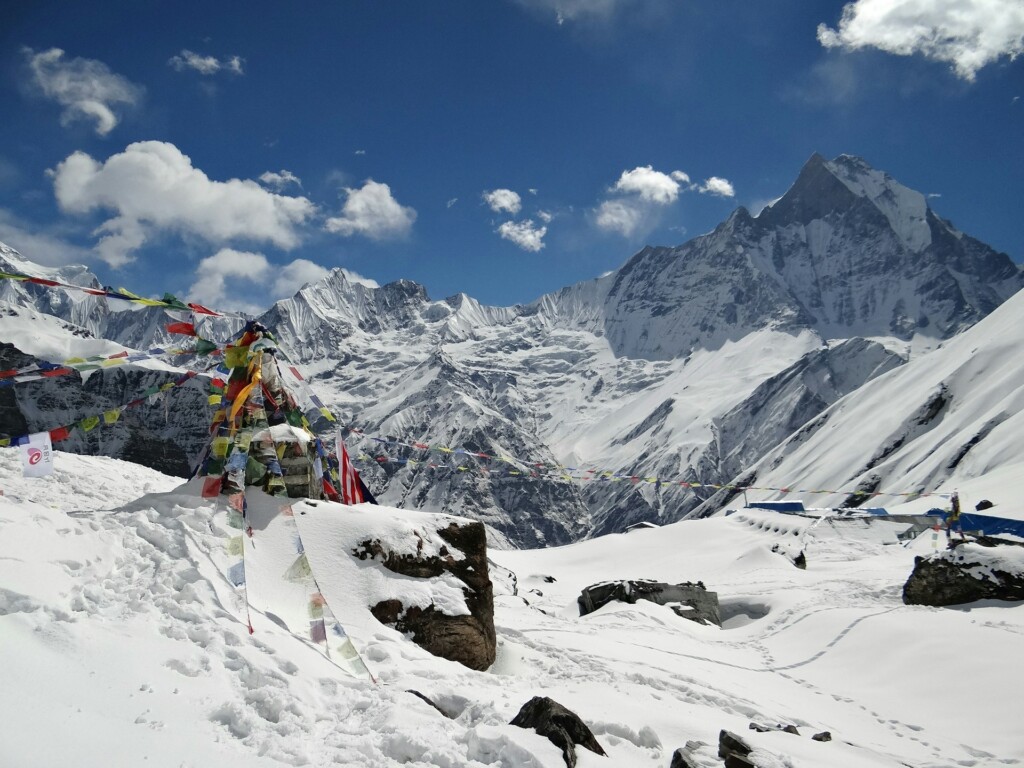
Mindfulness on the Trail: Lessons from the Himalayas
High-altitude trekking teaches mindfulness in its purest form. Here are a few simple lessons you’ll carry long after you return home:
Breathe with Intention: At 4,000 meters (13,000 ft), breath is precious. Learning to control it, align it with your pace, and stay conscious of every inhale and exhale.
Detach from Outcome: The weather, altitude, or even your own stamina might alter plans. The Himalayas teach you to surrender control and embrace, shortly, a core element of mindfulness.
Be Present, Fully: Instead of rushing to the next stop, pause and observe. Take time to explore the sound of a river cutting through the valley, the chatter of porters, or the simple joy of a dal bhat meal shared among strangers.
Respect the Mountain and Its People: Trekking mindfully means walking with awareness. Be aware of your footprint, of the culture, and of the fragile environment that supports life at these altitudes.
When the Body Struggles, the Mind Awakens
Altitude provides balance. No matter how fit you are, there comes a point when the air feels thinner than your thoughts. Headaches, fatigue, and dizziness remind you that even the strongest body has limits.
Under such conditions, you begin to grow resilience. Every time you slow down to catch your breath, you develop a deeper insight into your strength, one rooted in patience, not pride.
And as strange as it sounds, the higher you climb, the quieter your mind becomes. The daily noise, deadlines, distractions, and digital chatter fade into the background. The mountain strips you down to the essentials: breath, balance, and belonging.
Finding Stillness Above the Clouds
There’s a saying among trekkers: “You don’t conquer the mountain; you conquer yourself.” The Himalayan trails, whether it’s the classic Annapurna Circuit or the restricted Upper Mustang, are sacred ground for those seeking inner stillness.
The journey becomes a classroom, where every sunrise reminds you of renewal, and every challenge teaches acceptance.
At the end of the trek, you realize something profound: you were never really climbing a mountain; the mountain was teaching you how to climb within yourself.
Final Thoughts
Mindful trekking isn’t about silence or solitude; it’s about awareness. It’s about learning to listen to your body and respect the mountain, and walk in harmony with the world. The high trails in Nepal are not just scenic throughways; they’re pathways to presence.
So next time you’re thinking of embarking on your adventure in the Himalayas, go with an open mind feeling not to race against altitude but to align your attitude. Companies like Himalayan Masters remind us that the true Summit isn’t at 5,000 meters, it’s every conscious step we take on the way up.



Comments
0 comments