

Planning the first or last day in a European city often involves odd hours, luggage, and a bit of tiredness. We’ve wandered through plenty of these cities ourselves, and the key is to keep things simple. Focus on how to handle bags, get around, and choose spots that match your timing.
Why Your First and Last Day Need a Different Kind of Plan
The days when you arrive or leave differ from the ones in the middle. On arrival, you might be tired from a flight or train, ready to explore but held back by delays. On departure, you’re wrapping up, trying to fit in one more thing while keeping an eye on the time. A flexible plan works best here. For example, if you land early in Amsterdam, skip a full schedule and just walk along a canal. This saves energy and cuts stress, especially with bag storage freeing you up.
Start with the Fixed Points in Your Day
Base your plan on fixed things like transport times and hotel hours to make it realistic. This gives you a clear structure for the day and helps avoid overloading your schedule. Once these anchors are set, it becomes much easier to fill the gaps with simple, flexible activities that match your timing and energy.
Arrival Time, Departure Time, and the Real Travel Buffer
Add extra time to your schedule to avoid last-minute rushes. For Schengen flights at airports like Amsterdam Schiphol or Paris CDG, plan for two hours before departure. Non-Schengen flights at London Heathrow need three hours. Trains are easier–Eurostar requires 30-45 minutes at stations like Paris Gare du Nord. Account for issues like strikes on the Paris RER, which can cause delays.
| Airport | Recommended Buffer | Example Notes |
| Amsterdam Schiphol | 2 hours (Schengen) | Busy mornings; allow extra for security. |
| Paris CDG | 2-3 hours | Frequent delays on RER connections. |
| London Heathrow | 3 hours (International) | Long walks between terminals. |
Check-in, Check-out, and What to Do in Between
Hotels in places like Rome or Barcelona usually let you check in from 2-3 PM and check out by noon. If you arrive early, you might pay €20-50 for early check-in, but it works only about 30-50% of the time in the mornings. After check-out, most hotels hold luggage for free, which covers around 80% of places. Use that time for something easy, like a café in Berlin’s Kreuzberg, to bridge from hotel to your next step.
When to Plan Around Your Bags – and When Not to
Luggage affects your pace, but you can work around it. If bags are light, carry them for a short walk. For heavier ones, find storage. Services like Qeepl luggage storage fit into travel plans, especially at stations or airports. At Paris Gare du Nord, lockers cost €5-12 per day for items up to 55x35x55cm, and they’re open from 6:30 AM to 11:30 PM with X-ray checks. Berlin Hbf has 24/7 automated lockers for €4-7, up to 90x50x40cm. If your plan is small-scale, like a viewpoint near the hotel, skip storage.
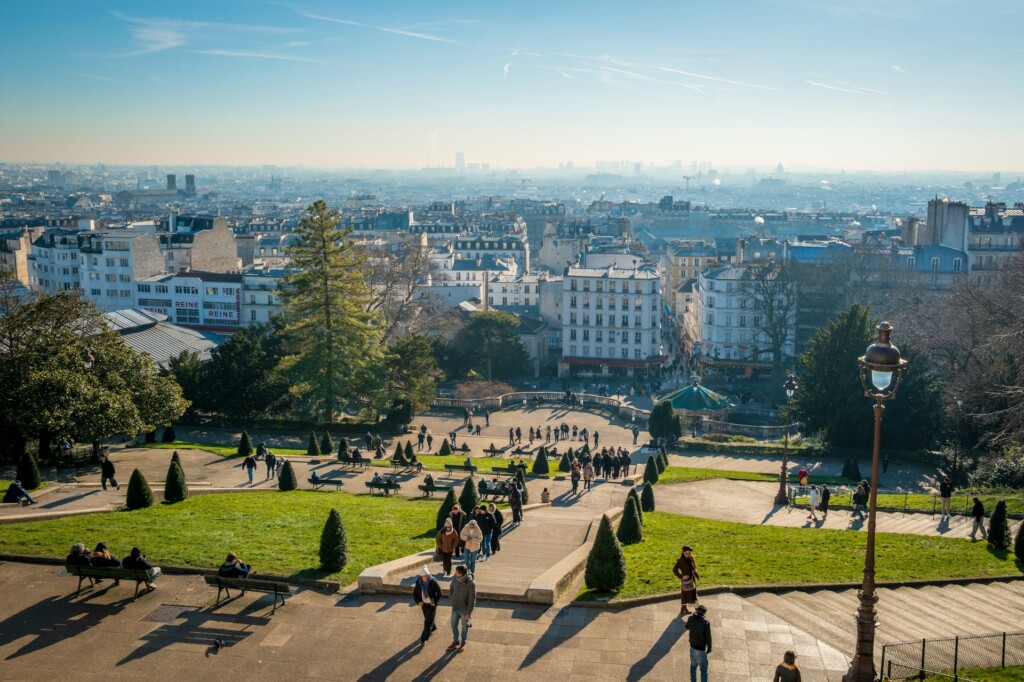
Build a Route That Fits Your Energy, Not Just the Map
Plan your route based on how you’ll feel, choosing easy options over long distances. Long transfers and packed itineraries often look good on a map but feel exhausting in reality. A slower pace with shorter walks and natural breaks will help you enjoy the city without rushing.
Choose One Compact Area
Stay in one neighborhood to save energy. In Rome, spend your last morning in Trastevere for its close streets and atmosphere, rather than heading to the Colosseum. This makes walking simple, especially with bags–pick areas near transport if you’re leaving soon.
Prioritize Walkable Sights, Cafés, Markets, and Viewpoints
Go for places that take little effort. In Paris, try a walk along the Seine or Luxembourg Gardens, which open at 7:30 AM. London’s Hyde Park opens at 5 AM for early walkers, and Berlin’s Tiergarten is open all day. These mix rest with exploring, and they work with light bags or after storing them.
- Seine walks in Paris: free, scenic, and bag-friendly with benches.
- Borough Market in London: opens for browsing around 10 AM, great for casual eats.
- Marché d’Aligre in Paris: from 8 AM, ideal for early arrivals seeking local flavors.
Keep Museums, Restaurants, and Timed Tickets Realistic
Don’t commit to places with fixed times. The Louvre in Paris needs tickets booked every 30 minutes, and Amsterdam’s Anne Frank House sells out two months in advance. For restaurants, reserve ahead but stay flexible–try walk-ins in areas like Barcelona’s markets if time is short.
Make City Transport Work in Your Favor
Pick transport that reduces hassle. In Paris, a Navigo Easy 24-hour pass costs €13.55 and covers unlimited Metro and RER rides, including to Orly for €11.60. London’s Oyster card caps at £8.10 daily for Zones 1-2. Berlin’s AB zone ticket is €10 for 24 hours and includes S-Bahn to the airport. Note things like the 30-45 minute RER ride from Paris CDG or limited elevators at Rome Termini, especially with bags.
| City | Ticket Type | Price | Coverage Notes |
| Paris | Navigo Easy 24h | €13.55 | Unlimited Metro/RER, airport add-ons. |
| London | Oyster Daily Cap | £8.10 | Zones 1-2, contactless ease. |
| Berlin | AB Zone 24h | €10 | Includes S-Bahn to airport. |
Smart Ideas for Early Arrivals
If you land before dawn, start with open spots. Rome’s Pantheon opens at 8:30 AM (free before 9), and Piazza Navona cafés start at 7 AM. In Berlin, Café Einstein opens at 8 AM, good with a walk in Tempelhofer Feld at dawn. These keep you going lightly, maybe after storing bags at the airport, like Amsterdam Schiphol’s €7-11 daily options.
Smart Ideas for Late Departures
After check-out, explore areas like Berlin’s Prenzlauer Berg for relaxed cafés. Vienna has free paths along the Danube, or Amsterdam’s Vondelpark is open all day. Rome’s Campo de’ Fiori market is busy in the mornings and leads to easy walks. Station cafés offer a spot to wait with luggage stored nearby.
Small Logistics That Make the Day Feel Easier
Small details help. Check bag rules–many Metros, like London’s with 20% of stations without escalators, mean stairs for luggage. Museums like the British Museum have free cloakrooms for big items. Airports vary: CDG recommends dropping bags 3-4 hours before flight. Use apps like SNCF for strike updates in France. Contactless payments work in 95% of spots in Paris or London, but cash is useful in rural Italy. These checks turn possible issues into smooth parts of the day.
Planning the first or last day in a European city often involves odd hours, luggage, and a bit of tiredness. We’ve wandered through plenty of these cities ourselves, and the key is to keep things simple. Focus on how to handle bags, get around, and choose spots that match your timing.



Comments
0 comments